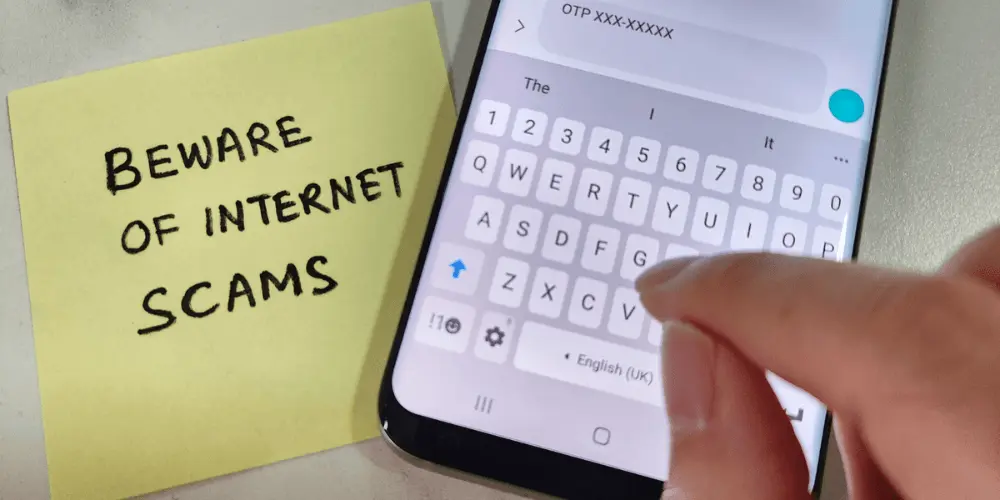
Being targeted by a loan scam is unsettling, and the fallout can feel overwhelming. Still, you are not the first person this has happened to, and there is a practical way forward. Scam artists rely on fake loan offers, often pushing for upfront fees or personal information they have no right to. Most victims say the same thing afterward: the offer sounded official, the timing felt urgent, and it all moved too fast.
If you realize you have been caught up in one, move quickly. The sooner you report it and secure your accounts, the better your chances of limiting the damage.
Many scams start with promises that do not match how legitimate lenders operate, guaranteed approval, instant funding, no credit check. Some ask for a fee before any loan is issued. Others create urgency so you do not slow down and read the fine print.
Red flags include:
If something feels off, end the conversation. Do not continue emailing or texting. Contact your bank or credit union right away and explain what happened so they can monitor or secure your accounts. Next, review your consumer reports at AnnualCreditReport.com to check for unauthorized activity. In some cases, placing a credit freeze can add another layer of protection against further misuse.
For a closer look at common warning signs, see 4 Home Equity Scams You Need to Avoid.
Write down exactly what happened while it is still fresh. A clear, chronological account makes it easier to file reports and answer follow-up questions later. Include:
Take that information to your local police department and file a report. An investigation is not guaranteed, but an official report can matter when you are disputing charges or explaining the situation to a lender or insurance company. Request a copy for your records.
Next, submit complaints to the Federal Trade Commission at reportfraud.ftc.gov and the Consumer Financial Protection Bureau. The FTC, the nation’s consumer protection agency, collects reports through the FTC’s record systems under authority of the FTC Act. Those reports may be shared with law enforcement authorities, other law enforcement authorities, and law enforcement partners for authorized routine uses, administrative proceedings, and other authorized routine uses allowed by law. In some cases, they will also provide guidance on resolving related disputes.
If the scheme played out online, through fake loan ads, spoofed websites, or phishing emails, file a complaint with the Internet Crime Complaint Center at the official IC3.gov site ic3.gov. The IC3 operates under the FBI and coordinates with federal and other law enforcement agencies when online fraud crosses state or national lines.
Your IC3 complaint should include:
This report will enter a secure online database, where agencies use patterns and digital markers to find larger fraud networks.

Many loan scams lead to identity theft, especially if sensitive data was exposed. If you gave out your Social Security number, birthdate, or account info, take these steps:
Also consider how much of your data was compromised. Ask yourself, how much personal information did the scammer receive? Even small pieces—like your address or employer—can be misused in scams tied to other legal process threats, fake court documents, or impersonation of government organizations or phishing attacks.
The FTC’s tools also explain how to deal with creditors, challenge false entries, and assert your rights under the privacy act system notices and other laws designed to protect consumers.
After the immediate damage is addressed, shift your attention to prevention. Scammers rarely stop at one tactic. When one approach stops working, they pivot. It makes sense to assume you could be contacted again and plan accordingly.
Practical safeguards include:
Take a hard look at your everyday habits as well. Slow down before clicking links. Do not share Social Security numbers, bank details, or login credentials through unsecured channels. Shred documents that contain personal data, and opt out of unnecessary marketing lists when possible.
If the experience left your finances unsettled, it may help to speak with a nonprofit credit counseling agency. Services like those offered at Credit.org provide one-on-one guidance and free educational resources for people rebuilding after financial hardship.
You can also learn about protections under consumer credit laws by reading Consumer Credit Acts and Laws to Protect You and reduce future risk with 11 Tips for Avoiding Predatory Lending.
If you need help to resolve individual consumer reports, respond to debt collectors, report to the federal trade commission, contact us today for debt counseling or a credit report review.



.svg)
.svg)