

.svg)


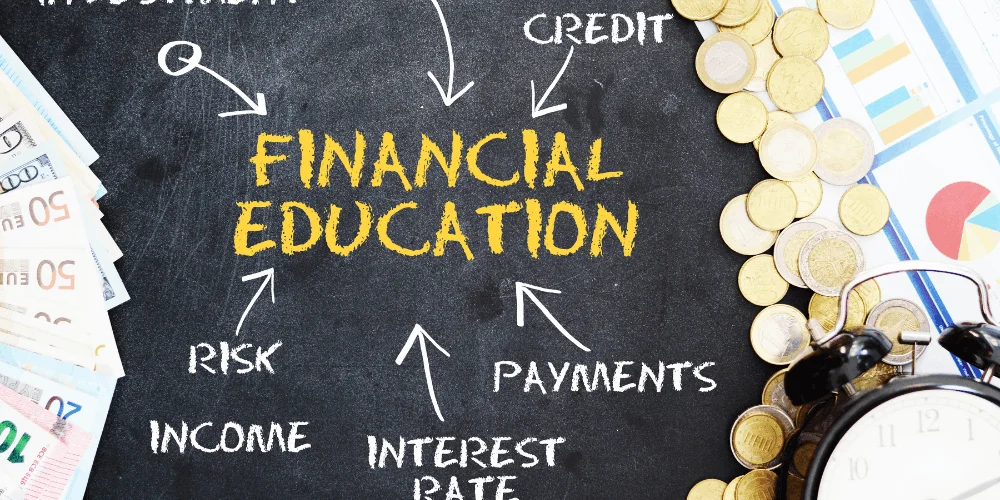
Every April, National Financial Literacy Month gives Americans a reason to slow down and take stock of their relationship with money. In an environment shaped by higher interest rates, ongoing inflation pressures, digital banking platforms, and increasingly complex financial products, financial literacy has become a practical necessity.
National Financial Literacy Month serves as more than a ceremonial observance. It offers a structured reminder that personal finance decisions affect long-term stability, opportunity, and peace of mind. For individuals, families, schools, employers, and community organizations, literacy month creates a moment to strengthen financial education and reassess the habits that shape daily financial life.
National Financial Literacy Month: A Brief History and Its Purpose
National Financial Literacy Month began as a single day, youth-focused initiative ("Youth Financial Literacy Day"). Over time, organizations such as the Jump$tart Coalition for Personal Financial Literacy recognized that improving financial literacy required broader engagement. The original effort to focus a day to educate students about creating a solid foundation for their financial journey turned into a month-long celebration.
Then annual event turned into something more comprehensive, targeting more than just teachers and students. In 2004, Congress formally designated April as National Financial Literacy Month, in a desire to make more consumers across the country aware of the importance of financial knowledge. Since then, nonprofits, educators, financial institutions, and community groups have used financial literacy month to promote stronger money management skills.
For more than 25 years, Credit.org has participated with the Jump$tart Coalition and national partners to promote financial literacy and expand access to practical financial education. The purpose of financial literacy month has remained consistent: build knowledge, increase confidence, and encourage action that improves financial outcomes.
The focus has always been on applied understanding — the kind that shows up in everyday financial decisions.
Define Financial Literacy in Practical Terms
When we define financial literacy, we are describing more than familiarity with financial vocabulary. Financial literacy refers to the knowledge and skills needed to make informed choices about money in real-world situations.
Financial literacy includes understanding how income and expenses interact, how credit works, and how interest rates affect borrowing. It also includes evaluating financial products, building savings, managing debt, planning for retirement, and investing with intention.
For example, recognizing how a 20 percent credit card interest rate compounds over time can change how someone approaches monthly payments. A borrower who understands compounding interest may prioritize paying down high-interest debt sooner rather than later.
Financial literacy supports personal finance decisions at every stage of life. It equips individuals to manage cash flow, assess risk, and respond to financial problems with clarity instead of uncertainty.
Learn more from our article "What is Financial Literacy? Key Concepts & Benefits".
Why Financial Literacy Month Still Matters
Financial systems continue to evolve. Consumers today navigate variable interest rates, digital payment platforms, student loan repayment programs, housing affordability pressures, and rapidly shifting investment options. Even routine financial decisions require more awareness than they did a generation ago.
Financial literacy month provides a predictable opportunity to refresh financial knowledge. Much like scheduling an annual health exam, dedicating time in April to review your finances can prevent small issues from becoming larger financial problems.
April creates a natural pause, one that most people might otherwise postpone.
Financial Education Is More Than Classroom Theory
Financial education often begins in schools, but it does not end there. Meaningful financial education takes place in workplaces, nonprofit organizations, banks, community centers, and online platforms.
Effective financial education teaches practical skills. Budgeting, saving, debt repayment planning, understanding credit reports, retirement preparation, and evaluating investments all require applied learning. The most effective financial education services emphasize behavioral change, helping individuals translate knowledge into consistent action.
Information alone rarely shifts financial habits. Structured guidance, accountability, and accessible resources tend to produce stronger results.
Personal Finance Is a Lifelong Skill
Personal finance evolves with life circumstances. Students develop foundational money management skills. Young adults focus on credit, income management, and managing early financial commitments. Families navigate mortgages, insurance, education expenses, and retirement contributions. Older adults often shift toward preserving capital and managing retirement income.
Throughout these transitions, financial literacy remains central. Without a strong financial foundation, higher income does not necessarily produce stability. With sound financial literacy, even modest income can support gradual progress toward long-term goals.
Personal finance decisions accumulate over time. Small adjustments in spending, saving, or investing habits can meaningfully influence long-term financial outcomes.
How Financial Education Services Build Confidence
Access to trustworthy financial education services plays a critical role in promoting financial literacy nationwide. Nonprofit organizations, government agencies, community groups, and financial institutions all contribute to expanding access to financial education.
Financial education services may include budgeting tools, credit and debt counseling, retirement planning resources, workshops, online courses, and training programs. When individuals can ask questions, review options, and receive clear explanations of financial products, they are more likely to make informed decisions.
Confidence often grows gradually. As financial literacy improves, individuals become more comfortable evaluating income decisions, reviewing expenses, comparing financial services, and adjusting long-term plans.
Schools and Colleges Should Lead During Literacy Month
National Financial Literacy Month presents a timely opportunity for schools and colleges to renew their focus on financial education. Early exposure to money management concepts can shape long-term behavior.
Elementary school students benefit from learning basic saving and spending principles. High school students need instruction on budgeting, credit management, and financial responsibility. College students must understand student loans, income planning, and investing fundamentals.
Teachers, administrators, and curriculum planners can use literacy month to integrate personal finance modules, host workshops, invite guest speakers, and promote campus-wide awareness. Financial education does not require an entirely new curriculum; even modest additions can strengthen student understanding.
Educational institutions play a foundational role in preparing students for financial independence.

Money Management Skills Needed in 2026
The financial environment continues to shift. In 2026, financial literacy includes understanding digital banking systems, online payment platforms, credit utilization, and repayment strategies. Individuals also need to understand how inflation reduces purchasing power and how interest compounds on both debt and investments.
Money management skills extend to income allocation, tracking expenses, planning for retirement, evaluating financial services, and maintaining emergency savings. As financial tools become more accessible, the responsibility to use them wisely increases.
For people outside of the education system looking for financial literacy resources, the Office of the Comptroller of the Currency's Financial Literacy Resource Directory is a great place to start. The FDIC's Money Smart curriculum is also excellent for consumers of all ages.
From Knowledge to Action: Setting Financial Goals
Financial literacy becomes most visible when it translates into action. Setting financial goals provides direction and structure.
Clear financial goals tend to be specific, measurable, realistic, and connected to long-term plans. Whether building emergency savings, reducing debt, increasing retirement contributions, or improving credit, goal setting transforms financial education into practical progress.
National Financial Literacy Month offers an opportunity to revisit financial goals, adjust strategies, and reaffirm commitments. A brief financial review in April can reveal areas that require attention and areas where progress has already occurred.
America Saves Week and Financial Literacy Month
National Financial Literacy Month aligns naturally with America Saves Week, which also takes place in April. America Saves Week emphasizes action-oriented steps such as building emergency savings, managing debt, preparing for retirement, and strengthening overall financial stability.
Financial literacy provides the underlying knowledge. America Saves Week provides structured momentum. We're proud to be a part of is, as the regional campaign sponsors for Inland Empire Saves and San Diego Saves.
During financial literacy month, individuals can conduct a financial check-in, review savings progress, reassess debt repayment strategies, and refine spending plans. Coordinating these efforts reinforces both knowledge and implementation.
Celebrate Financial Literacy Month With Practical Steps
To celebrate financial literacy month in a practical way, individuals can review budgets, check credit reports, increase automatic savings contributions, reduce high-interest debt, or attend a financial education workshop.
Organizations can promote financial education by hosting seminars, distributing tools, and encouraging participation in literacy month initiatives. Even small improvements - such as automating savings or reducing recurring expenses - can accumulate into meaningful financial gains over time.
The Importance of Financial Education for Families and Consumers
Financial literacy supports stability across households and communities. Families who understand budgeting, saving, credit management, and investing are better prepared to handle financial disruptions.
Financial education contributes to responsible borrowing, improved retirement readiness, and reduced financial stress. Banks, nonprofit organizations, and government agencies each play a role in expanding access to financial education and strengthening consumer understanding.
When these efforts align, access to financial education becomes more consistent and effective.
Strengthening Your Financial Future
National Financial Literacy Month ultimately focuses on strengthening your financial future. Financial literacy empowers individuals to manage debt carefully, build savings steadily, invest thoughtfully, and plan for retirement with intention.
April provides a timely reminder to evaluate financial literacy, revisit personal finance goals, and identify opportunities for additional financial education. Improving financial knowledge is an ongoing process rather than a single milestone.
As financial systems evolve, maintaining financial literacy becomes an active responsibility. National Financial Literacy Month offers a practical starting point for that work. You can start right here with educational articles from our blog, FIT Academy, or by pledging to save through our America Saves Week campaign.





.svg)
.svg)


