

.svg)

Why Home Inspections Matter So Much
Buying a home is one of the biggest decisions you’ll ever make. For most buyers, it’s not just about finding a dream home, but making sure that dream doesn’t turn into a financial nightmare. That’s where the home inspection process comes in.
A thorough home inspection gives you an inside look at the condition of a property before the sale becomes final. While the house might seem perfect during a walkthrough, it could have hidden issues that cost thousands to repair later. A home inspection helps buyers avoid falling in love with a house that turns out to have serious problems.
More importantly, this step is a key part of the real estate transaction process. Most purchase contracts include an inspection contingency, which gives buyers a chance to walk away if major issues are discovered. Skipping this step can be one of the biggest mistakes a buyer can make.
A Central Bank guide on home buying red flags notes that refusing an inspection, a visibly damaged roof, or signs of declining neighborhood value are major signals to pause. A home inspection lets you proceed with confidence, or change course before it’s too late.
Learn more in our Step-by-Step Home Buying Process guide.
What a Home Inspector Actually Checks
A certified home inspector is trained to look for problems you might not notice. They perform a top-to-bottom inspection of the house, including:
- Electrical systems: Are there frayed wiring, outdated panels, or improperly wired electrical panels?
- Plumbing: Are there signs of water leaks, corrosion, or drainage issues?
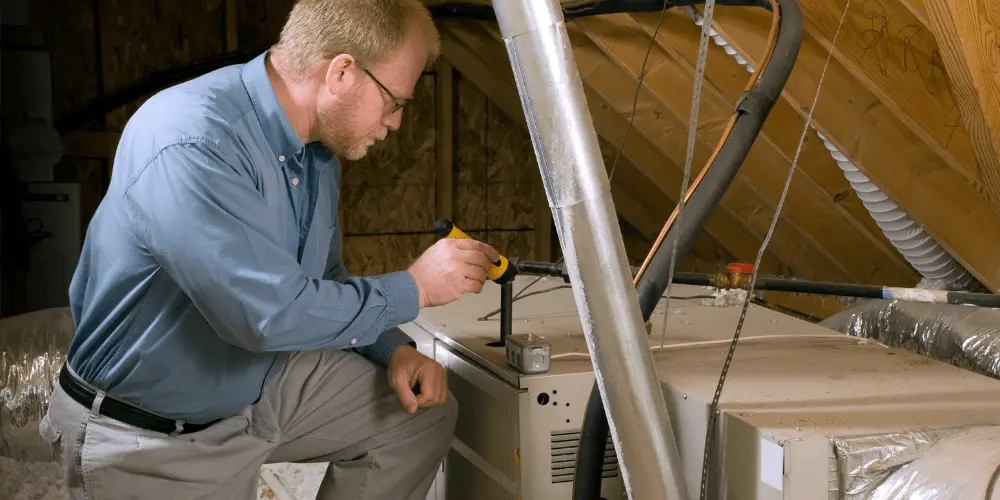
- HVAC system and cooling systems: Is the air conditioner working properly? What’s the life expectancy of the unit?
- Roof and attic: Are there missing shingles, soft spots, or signs of water damage?
- Ventilation and insulation: Is the attic properly vented and insulated?
Each of these systems plays a major role in the safety and comfort of the home. The home inspector will note anything that looks off; even if it’s a small issue now, it could point to a significant expense later.
To get a sense of what inspectors focus on, check out AmeriSpec’s red flags guide, which lists the most common problem areas: roofs, electrical, plumbing, mold, and outdated materials like lead paint or asbestos.
What Goes Into the Inspection Report
After the inspection, you’ll receive a formal inspection report: a document that details the inspector’s findings. This might be a few pages or dozens, depending on what they uncover.
The home inspection report typically includes:
- Descriptions of every system and component checked
- Photos showing specific inspection results
- A list of repairs or safety concerns
- Notes on commonly found issues in homes of that age or type
For example, the report may mention broken panes on old windows, frayed wiring in an attic, or corrosion around a water heater. While not every item will be urgent, you’ll want to pay close attention to any marked as “safety hazard,” “needs repair,” or “recommend specialist evaluation.”
In some cases, a second opinion may be needed. For instance, if the inspector notes issues with the roof, they may recommend a roofer assess whether a new roof is needed.
Home Inspectors vs. Seller-Provided Reports
Some sellers may offer a pre-inspection report or provide documents from a previous home inspection. While these can be helpful for general awareness, you should always hire your own inspector. Here’s why:
- A seller’s report may miss certain defects or gloss over problems.
- Your own inspector works only for you and will perform a more thorough inspection.
- Pre-inspection reports may be outdated or limited in scope.
- You’ll have more control over how quickly the report is done, and can ask questions directly.
Home inspectors are regulated differently depending on your state, so be sure to choose a licensed professional. And remember, even a great home inspector can’t see behind walls or predict every future problem, but they can spot the biggest risks before you commit.
Understanding the Inspection Findings
Once you have the inspection report, it’s time to dig into the details. The inspection findings help you figure out what’s a serious concern, and what’s not.
Big red flags include:
- Major repairs needed for systems like HVAC, electrical, or plumbing
- Costly repairs such as structural work or mold remediation
- Unexpected repairs that weren’t disclosed in the seller’s paperwork
Even smaller problems can add up. Things like rotted trim, faulty outlets, or loose stair railings may seem minor, but if there are dozens of these issues, they suggest poor upkeep overall.
Look for any mention of:
- Costly fixes (e.g., foundation cracks or mold)
- Significant expense (e.g., needing a roof replacement)
- Any urgent repair that affects safety
Remember, not every item on the list is a dealbreaker, but major systems in bad shape can tip the scales.
Home Inspection Red Flags You Shouldn’t Ignore
Some home inspection red flags are more serious than others. While cosmetic issues like chipped paint or dated fixtures can be overlooked, certain problems may be expensive—or even dangerous—to live with.
Here are red flags that deserve special attention:
- Foundation issues: Cracks, bowing walls, or uneven floors often point to foundation problems. These are among the most expensive repairs a home might need.
- Electrical problems: Frayed wiring, outdated electrical panels, and improperly wired electrical panels raise serious fire risks.
- Water damage: Water stains, failing window seals, and musty smells can indicate hidden water leaks or mold.
- Roof damage: Missing shingles or sagging areas could mean a new roof is needed soon.
- Plumbing or sewer issues: Outdated pipes, poor drainage, and signs of backup may lead to sewer system problems and costly sewer repairs.
- HVAC system issues: An aging air conditioner, failing water heaters, or other major systems near the end of their life expectancy can cost thousands to replace.
A Farm Bureau Financial Services guide lists mold, pest infestations, and outdated plumbing among the most common red flags in homes that become “money pits.”
Other Red Flags to Watch For
While most red flags are found inside the house, don’t ignore what’s outside.
Be alert to:
- Signs of flooding or drainage issues in the yard
- Retaining walls that are leaning or cracked
- Unsafe decks, stairs, or railings
- Old or deteriorating fencing
- Pest activity around the foundation
It’s also worth researching the neighborhood and local zoning rules. If you’re considering adding a rental unit, accessory dwelling unit (ADU), or trying a house hacking strategy, local restrictions could impact your plans.
When Repairs Turn Into a Money Pit
Sometimes a property looks like a great deal, until you add up all the repairs needed. If the list of problems grows longer with each page of the home inspection report, it may be time to take a deep breath and reconsider.
Here’s how to tell if you’re walking into a money pit:
- You see mention of major defects in multiple systems (roof, foundation, HVAC).
- The cost of necessary repairs could wipe out your down payment or savings.
- The seller won’t negotiate or fix anything.
- You’d need to live in a construction zone for months just to make it livable.
While some buyers are comfortable with fixer-uppers, most are not prepared for the reality of unexpected repairs that can total tens of thousands of dollars.
Which Repairs Are Worth Negotiating
Not all repairs are dealbreakers. Some may be worth addressing through negotiation. The key is knowing which issues are urgent, and which can wait.
Here’s what you can consider asking for:
- Safety issues (electrical hazards, structural concerns)
- Roof replacement or patching major leaks
- Fixing failing water heaters, HVAC, or other big-ticket major systems
- Sewer repairs or plumbing replacements
- Remediation of mold or asbestos
- Code violations or repairs needed for the home to close properly
Cosmetic or minor issues—like scuffed floors or old paint—usually aren’t worth haggling over. But when you’re facing costly fixes, it’s reasonable to ask the seller to either make the repairs, offer a price reduction, or provide a home warranty to cover near-term risks.
How to Use the Inspection Report to Negotiate Repairs
Your inspection report isn’t just a document; it’s a tool. You can use it to support buyer requests for seller concessions, including:
- Having repairs completed before closing
- Getting a credit toward closing costs
- Reducing the sale price
- Asking for a home warranty
- Backing out without penalty (if allowed by your contract)
Start by reviewing the inspection findings with your real estate agent. They’ll help you prioritize what matters most and draft a clear list of items for negotiation.
Be sure to:
- Reference specific pages in the home inspection report
- Include contractor estimates if possible
- Focus on health, safety, and large-cost items, not every chipped tile
Negotiations may go back and forth. Be respectful but firm. This is where your earnest money is on the line, so take the time to make sure the deal truly makes sense for your budget and risk tolerance.
When a Price Reduction Makes More Sense
Sometimes sellers are unwilling or unable to fix everything. In those cases, it may be smarter to ask for a price reduction instead of repairs.
This can be a win-win:
- The seller avoids having to coordinate repairs
- You get money back to fix things on your own terms
- You stay in control of which contractors and materials you choose
Price reductions often make the most sense when:
- Repairs are mostly cosmetic or optional
- The issues don’t impact safety or livability right away
- You’re planning to renovate anyway
- You can get competitive bids instead of taking the seller’s cheapest contractor
Talk with your lender before finalizing this type of change. A reduced price could impact your loan terms or appraisal.
When to Walk Away From the Deal
Some inspection results are just too much. Even if you’ve fallen in love with the house, certain red flags should make you think twice, or walk away entirely.
Red flags worth walking away over:
- Unstable foundation or signs of major foundation problems
- Black mold or water damage that suggests long-term neglect
- Outdated electrical systems with fire hazards
- Multiple major issues that together will cost more than you can handle
The Chase Home Lending guide offers smart advice on how to walk away strategically. If the seller won’t budge, you can request concessions, credits, or warranty support… or simply move on to the next property.
Your real estate agent should guide you through this process, helping you protect your earnest money and avoid legal pitfalls.
Respect the Purpose of the Home Inspection Process
Some buyers approach the home inspection process as a way to get a better deal, but that’s not what inspections are meant for. A home inspection exists to help you spot significant issues, protect your safety, and confirm that the property is in the condition the seller has advertised.
Using inspection negotiations purely as a strategy to lower the price, especially when requesting credits for minor repairs, can backfire. It not only risks souring the deal, but it also undermines trust between buyer and seller. Worse, it dilutes the value of the inspection process for everyone.
The vast majority of home inspections uncover small, fixable concerns: chipped paint, loose cabinet doors, or outdated outlets. These are telltale signs of normal wear and tear, not major red flags. Trying to renegotiate based on every minor flaw can signal to the seller that the buyer isn’t acting in good faith.
Instead, focus your negotiations on issues that truly matter: health and safety concerns, code violations, or major systems in need of replacement. When buyers choose to be strategic and reasonable, it increases the chance of a successful closing.
You can—and should—request repairs for serious problems. But keep in mind that inspection negotiations should be rooted in fairness. If you truly love the home and the seller is transparent, try to maintain a respectful balance. Not every scratch on the floor needs to become a bargaining chip.
If you’re not sure how to approach inspection negotiations constructively, review our 10 First Time Home Buyer Mistakes to Avoid and Steps to Buying Your First Home: A Comprehensive Guide for more insight on how to balance negotiation with good faith.
Home Inspection Report FAQs
What is the most common problem found during a home inspection?
Common problems include roof damage, HVAC issues, outdated electrical panels, and signs of water leaks. These may not be obvious during a casual tour but can become costly if left unaddressed.
Can I still negotiate after the home inspection?
Yes. In fact, most negotiations happen after the inspection. If the report uncovers serious repairs, you can ask the seller to fix them, offer a credit, or reduce the price.
Can a home inspection kill a deal?
Absolutely. If the inspector finds major repairs or safety hazards and the seller refuses to make concessions, you may decide to walk away.
What if the seller refuses to do repairs?
You have several options. You can accept the home as-is, ask for a price reduction, request a home warranty, or cancel the deal if your contract has an inspection contingency.
How long does a home inspection take?
Most inspections take 2–4 hours. You’ll get the full inspection report within a day or two.
Should I be present during the inspection?
It’s not required, but it’s a great opportunity to see the home’s condition firsthand and ask questions.
Take the Next Step With Support
A home inspection isn’t just a formality; it’s a powerful tool to help you make smart decisions, protect your investment, and avoid costly surprises. Whether you’re buying a multifamily property, a single-family home, or an accessory dwelling unit, knowing how to interpret and act on your inspection report is essential.
Ready to learn more about negotiating repairs, reducing your interest payment, and building toward financial freedom?
Check out our free homebuyer classes to get expert help at every step of your journey.






.svg)
.svg)


