

.svg)


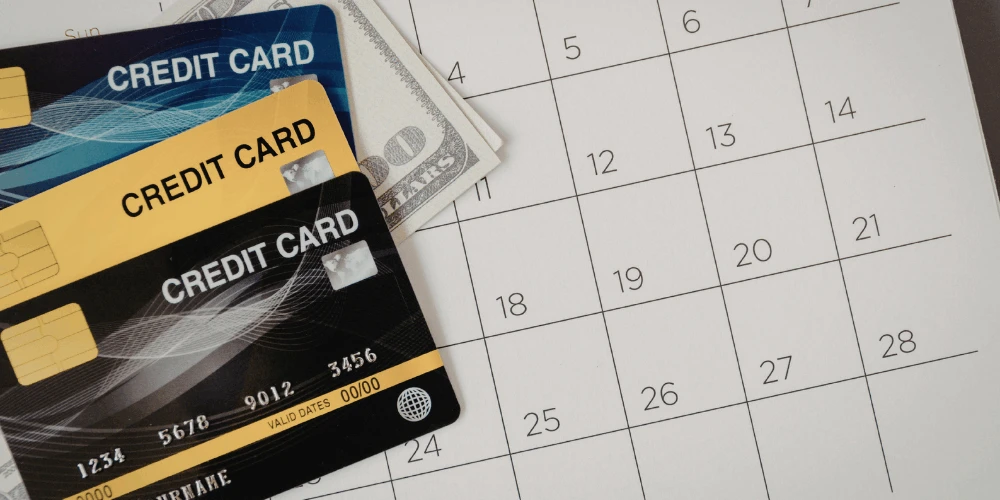
Falling behind on credit card payments can feel overwhelming. When balances grow faster than you can keep up, people start looking for an off-ramp. Sometimes that thought shows up quietly. Sometimes it shows up as, “What if I just stop?”
In most situations, stopping payments does not shrink the balance or freeze the situation. Fees continue. Interest continues. Credit reporting continues. The pressure may shift for a few weeks, but it rarely disappears. At the same time, the stress people feel when they fall behind is not irrational, and it should not be brushed aside with slogans or scare warnings.
Before making a decision, it helps to understand what actually changes after a payment is missed, and what does not.
Credit Card Debt: Why It Gets Out of Control Faster Than You Expect
Credit card debt behaves differently from installment loans. Rates are typically higher, and minimum payments are flexible in a way that feels manageable at first. The problem is that minimums are calculated to keep the account open, not to eliminate the balance quickly.
Even steady, on-time payments can leave most of the principal untouched. Add one tight month, one unexpected expense, and the math shifts. What felt stable starts moving in the wrong direction, sometimes faster than expected.
Credit Card Bills and Minimum Payments: What You’re Really Paying For
A credit card bill is more than a balance due. It reflects accumulated interest, any late fees, and a required minimum that can change once the account slips past due. Skipping a payment does not pause those mechanics. The balance adjusts, and the next statement often looks worse.
That shift is part of why people feel like the situation accelerates. The numbers are not static from month to month.
One Day Late: What Happens After a Missed Credit Card Payment
Being one day late is not the same as being ninety days late. Still, it marks a change. Late fees can appear. Penalty rates may be triggered depending on the account terms. Internally, the credit card company flags the account.
A single late payment may not immediately hit a credit report. Repeated delinquencies almost always do. The difference between those two outcomes is often just time.
How a Credit Card Company Responds When You Miss Payments
Credit card companies do not improvise their response; they follow escalation guidelines. Early on, you may receive reminders or limited hardship options. Whether those are offered depends on the issuer and your history with them.
If payments continue to be missed, available credit may be reduced or charging privileges suspended. From the lender’s perspective, that limits exposure. It does not solve the borrower’s cash flow problem, and it is not meant to.
Why Credit Card Debt Escalates Faster Than Other Types of Debt
This discussion applies to credit cards, not to every debt. Mortgages, auto loans, and student loans operate under different structures and timelines. Credit cards are unsecured and carry higher interest, so the reaction tends to move more quickly.
When deciding what to pay and when, that difference matters. The risk profile is not identical across obligations.
How Missed Payments Show Up on Your Credit Report and Affect Your Credit Score
Missed credit card payments eventually appear on credit reports maintained by the major credit bureaus. Once reported, late payments and ongoing delinquencies can significantly affect credit scores.
Negative marks can remain on a credit report for years, even if the account is later brought current or resolved. For a deeper explanation of how severe delinquencies are reported, see What Is a Charged-Off Debt?: How It Affects Your Credit.
For a general overview of how credit reports and scores work, the Consumer Financial Protection Bureau provides helpful background in its credit reports and scores overview.
How Missed Credit Card Payments Can Affect Your Bank Account
Stopping credit card payments can affect more than the card itself. Automatic payments may fail, leading to overdrafts or returned payments in a linked bank account. These secondary effects can create additional fees and stress.
Monitoring bank account activity closely is important, especially once payments are disrupted.
When Debt Collection Starts and What Usually Happens Next
If missed payments continue, the account often leaves the standard billing cycle. It may be assigned to a debt collector or sold outright. That shift usually takes months, not days, but it is common once delinquency stretches on.
Communication changes at that point. Calls and letters may come from a collection agency rather than the original lender. These agencies work across many accounts at once. Their focus is recovery.
The interaction can feel one-sided. A collector may suggest settlement, a payment arrangement, or a reduced amount. Whether that helps depends on your full financial picture, how much you owe money, and what you can actually sustain. An agreement that looks manageable over the phone can fall apart if income is unstable.
There are limits on how collectors operate. Federal law restricts contact methods and certain types of statements. The Consumer Financial Protection Bureau outlines those protections in its debt collection guidance. Knowing the boundaries changes how you respond.
Timelines vary by state. The statute of limitations runs differently depending on the type of debt, and negative collection activity can remain on a credit report for seven years, even if later paid or settled. Once an account reaches this phase, the tone and leverage are different. Reversing course becomes harder.
What It Means When a Collection Agency Starts Contacting You
Collection agencies may reach out by phone or mail. For someone already under stress, that contact alone can feel urgent.
If you are contacted, reviewing what to do if a debt collector calls you can help you slow down and respond deliberately. Quick decisions made under pressure are rarely the best ones.

When Card Debt Turns Into Legal Action
In some cases, unpaid credit card debt can escalate beyond collection calls and letters. If a creditor decides to pursue legal action, the issue is no longer just about missed payments, it becomes a legal and financial risk that is harder to contain.
Lawsuits over card debt are not automatic, and they do not happen after a single missed bill. That said, when debts remain unresolved for long enough, some creditors or collection firms may decide that court action is the next step. If that happens, costs can increase quickly. Legal cases may involve attorney fees, court costs, and, in some situations, the possibility of a judgment that allows a lien or wage garnishment under state law. (Information about federal limits on garnishment is available through the U.S. Department of Labor’s explanation of federal wage garnishment rules.)
At this stage, decisions narrow. People sometimes turn to debt settlement companies or try to settle the debt on their own, hoping to avoid further escalation. While debt settlement can be part of a broader strategy in certain cases, it also carries risks and is not a guaranteed solution. Offers that sound like a way to “make the problem go away” often require lump sums, strict timelines, or agreements that are difficult to afford when finances are already strained.
Legal timelines also matter. How long a creditor has to sue depends on state law, and once a judgment is entered, the consequences can follow you for years. Even when accounts are eventually resolved, the financial and credit impact may remain long after the original debt stops being actively collected.
That is why stopping payments is not something to test casually. Once a lawsuit is filed, the situation changes. The focus moves from weighing options to limiting consequences, and choices that might have been workable earlier are often no longer on the table.
Balance Transfers: A Short-Term Option That Doesn’t Work for Everyone
Balance transfers are often presented as an easy way to manage credit card debt, usually by moving a balance to a card with a promotional interest rate. On paper, this can reduce interest costs for a limited time. In practice, balance transfers rarely work for people who are already struggling.
Most balance transfer offers require good credit, steady income, and available credit limits. Once payments are late or balances are already maxed out, qualifying becomes difficult or impossible. Even when someone does qualify, transfer fees and short promotional windows can quickly erase the expected benefit.
More importantly, balance transfers assume that the underlying problem has already been fixed. They rely on the idea that spending habits have changed and that new balances will not accumulate. In the real world, that is rarely the case. Many people end up with a balance transfer card and growing balances on their original cards, leaving them worse off than before.
For people under financial stress, balance transfers tend to delay hard decisions rather than resolve them. They can provide temporary relief without addressing cash flow issues, income instability, or the behaviors that caused the debt to build in the first place
Consolidation Loans: When They Help and When They Make Things Worse
Consolidation loans are often marketed as a clean solution to credit card debt, but they involve taking on new debt to pay off old balances. While that can simplify payments on paper, it does not reduce what you owe and frequently introduces new risks.
Many consolidation loans come with longer repayment terms, upfront fees, or higher costs over time. If your income or cash flow is already strained, adding another loan can make the situation worse rather than better. It also assumes that spending patterns have already changed, which is rarely the case. When those patterns stay the same, people often end up with a consolidation loan and new credit card balances.
Qualification is also a problem. Once payments are late or credit scores drop, consolidation loans become harder to get or come with less favorable terms. At that point, they stop being a relief tool and start acting like another financial obligation layered on top of an already difficult situation.
This is why Credit.org does not treat consolidation loans as a default debt solution. A more realistic approach is to understand the math behind different repayment options and what they actually cost over time. The article Debt Repayment: Doing the Math discusses why strategies that rely on new borrowing often fail to solve the underlying problem.
When Stopping Credit Card Payments Is the Wrong Move
Stopping credit card payments is not automatically the right move. In many situations, it compounds the problem rather than easing it. If the strain comes from a short-term dip in income or temporary cash flow disruption, letting the account slide can introduce consequences that last much longer than the disruption itself.
Even one late payment can mean added fees, possible rate changes, and a higher required monthly payment later. That shift does not feel dramatic at first. Over time, it narrows flexibility.
There are also structural risks. When accounts remain unpaid, escalation may include lawsuits, attorney fees, or liens in some states. Once that stage is reached, the issue is no longer just the balance owed. It is about protecting income and preserving whatever options remain.
This approach is also not a good fit for people who are already carrying a bad credit history and have limited flexibility left. When you owe money to multiple creditors and margins are already thin, stopping payments removes what little control you still have. What feels like the only option in a moment of stress often turns out to be a narrowing of choices rather than a path forward.
The reality is that stopping payments is a blunt tool. It may be part of a broader strategy in specific cases, but it is not everyone’s best move, and it should rarely be the first one.
Better Options to Consider Before You Stop Paying
Before deciding to stop paying your credit cards, it helps to pause and review the numbers. Financial stress often pushes people toward the fastest exit, not the most sustainable one.
Looking at how repayment approaches compare over time can change that. In the article Debt Repayment: Doing the Math we examine why some strategies reduce short-term pressure but increase total cost or risk later. Seeing the projections in plain terms can prevent decisions that are difficult to unwind.
Some households explore structured repayment through a debt management plan. That process typically involves reviewing income, expenses, and debts with a counselor to see whether a managed structure is workable. Not everyone enrolls. In many cases, the main benefit is clarity.
Others consider settlement, with its own tradeoffs. Understanding whether debt settlement is a good idea means weighing timing, credit impact, and the realistic chance of completion. In more serious situations, bankruptcy may enter the conversation, though that step is rarely required after the first missed payment.
Stopping payments is one option among several. It is usually not the first move that creates the most stability.
Replacing Worry With a Plan You Can Actually Stick To
Falling behind on credit card payments can make it feel like you are running out of options. When money is tight and balances keep growing, it is easy to believe that stopping payments is the only way to regain control. In reality, that moment of panic is often the point where better information matters most.
The goal is not to borrow more money or chase quick fixes, but to find a realistic way to repay, stabilize cash flow, and eliminate debt without creating new problems along the way. That path looks different for everyone, especially when income is uneven, expenses are fixed, or past mistakes have already limited flexibility.
This is why it is never too early to reach out to a certified credit counselor. Even after a single missed payment, getting an objective review of your situation can help you understand what you can afford, which obligations matter most, and which options are still available before consequences begin to stack up. Credit counseling helps you make sense of the numbers and decide what makes sense for your situation.
For some people, that conversation leads to small adjustments and a clearer payment plan. For others, it provides a realistic assessment of longer-term options and what a true fresh start would require. In either case, having guidance early can prevent short-term decisions from turning into long-term damage.
If you are feeling overwhelmed or unsure what to do next, talking to a counselor can help you replace worry with a plan grounded in reality, not assumptions. You can learn more about your options through Credit.org’s credit counseling and debt relief services, and take the next step with clarity instead of fear.





.svg)
.svg)


